

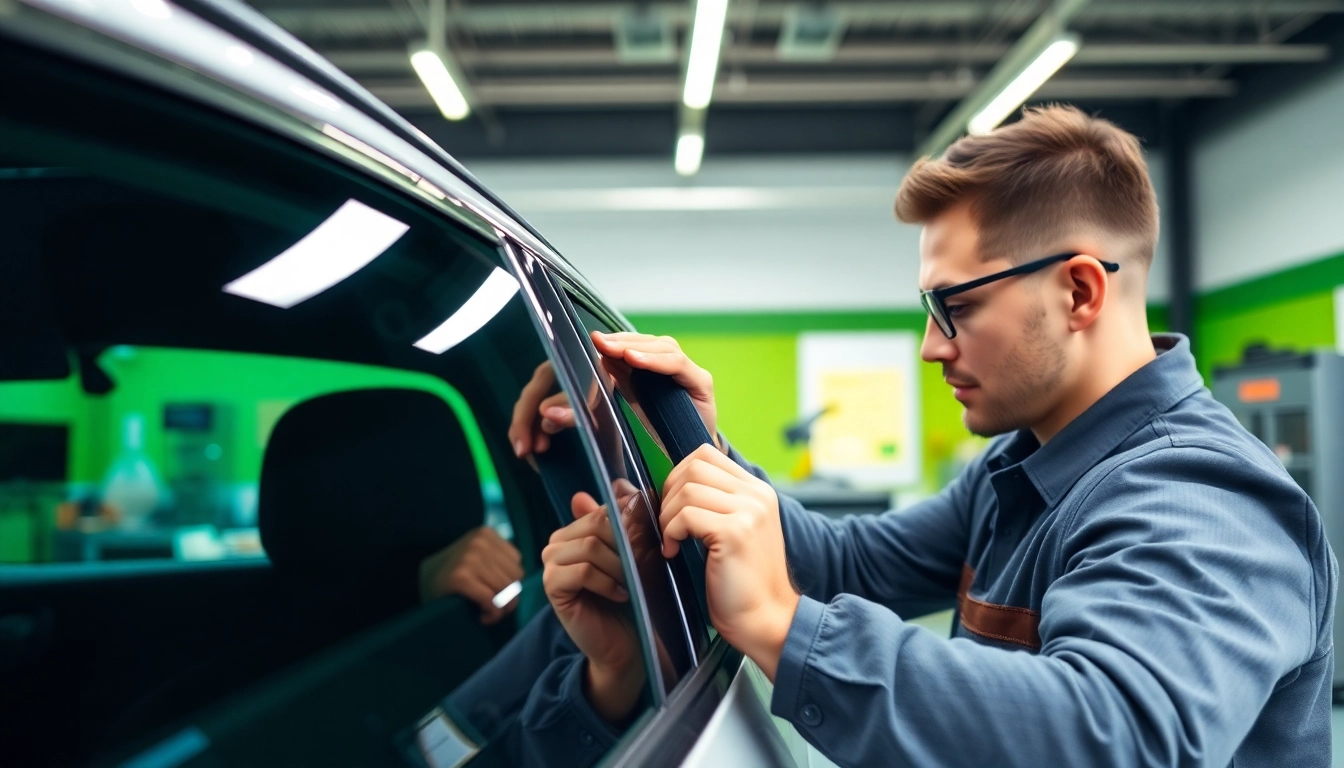
Understanding Window Tint Options
Types of Window Tints Available
When exploring options for window tint near me, it’s essential to understand the variety of tints available on the market. The most common types include dyed, metalized, ceramic, and hybrid films. Each type has its unique properties, aesthetics, and advantages.
- Dyed Window Tint: This film uses dye to create a sleek appearance. It blocks sunlight effectively and is often less expensive than other options.
- Metalized Window Tint: Featuring tiny metallic particles, this tint reflects heat and light. It is durable and also provides added strength to the glass.
- Ceramic Window Tint: Made from advanced ceramic particles, this option offers superior heat rejection while maintaining clear visibility. It doesn’t interfere with electronic devices.
- Hybrid Window Tint: Combing both dyed and metalized films, hybrid tints offer the best of both worlds—affordability and performance.
Benefits of Window Tint Near Me
Choosing window tint can bring numerous benefits that enhance your vehicle’s comfort and aesthetics. Firstly, window tint helps block harmful UV rays, protecting both passengers and the vehicle’s interior from sun damage. This reduction in UV exposure can lead to lower risks of skin cancer.
Additionally, tints can provide significant heat rejection, making your vehicle’s interior much cooler, even during the hottest days. This can lead to less reliance on air-conditioning, thereby improving fuel efficiency.
Furthermore, well-applied window tint adds a layer of privacy for passengers and belongings, discouraging theft. Lastly, quality window tints also offer glare reduction, improving driving safety by allowing motorists better control over visibility.
Local Regulations and Tinting Laws
Before investing in window tint, it’s crucial to familiarize yourself with local regulations governing tinting laws. Different regions have distinct rules regarding the types of tints that can be applied, their reflectivity, and what windows can be tinted. For instance, some states may have restrictions on the darkness of the tint on front windows or require specific levels of visibility. Checking these regulations can help avoid fines and ensure compliance.
Factors to Consider When Selecting Window Tint
UV Protection and Heat Rejection
When evaluating window tint options, UV protection and heat rejection must be at the forefront of your decision-making. Window tints vary in their ability to block UV rays, with many high-quality films blocking over 99% of these harmful rays. This helps protect your skin and preserve the integrity of your vehicle’s interior, reducing fading and deterioration over time.
Heat rejection capabilities also differ significantly among tints. Ceramic films generally offer superior heat rejection, which can lead to a more comfortable driving experience. Assessing these factors based on your local climate and how often you use your vehicle is key to making an informed decision.
Visibility and Aesthetic Preferences
Visibility is crucial when choosing window tint. Darker tints can look sleek but may impede visibility, particularly at night. It’s important to consider the tint’s VLT (Visible Light Transmission) percentage, which denotes the amount of visible light that can pass through the window. A good balance between aesthetic appeal and clear visibility should be prioritized, especially for front windows.
Aesthetic preferences also play a significant role in the selection process. Certain tints can give your car a more luxurious or sporty appearance; however, personal taste should be harmonized with legal requirements to arrive at a satisfactory choice.
Durability and Maintenance Requirements
The durability of the window tint is another important consideration. Ceramic tints are generally the most durable, resisting scratches and fading, while dyed tints may fade over time. It’s also essential to consider maintenance requirements. Some tints require special cleaning solutions to avoid damage, while others are more forgiving. Understanding these factors ensures long-term satisfaction with your investment.
Finding the Best Window Tint Service Near You
Researching Local Shops
Finding the right shop for window tint installation involves thorough research. Start by searching online for local services, checking business directories, and exploring social media platforms for recommended professionals. Pay attention to the range of services offered, their proximity, and their expertise in the type of tint you’re interested in.
Customer Reviews and Recommendations
Customer reviews can provide invaluable insights into the experiences of others regarding local tints installers. Look for testimonials on platforms like Google, Yelp, or Facebook. Take note of both positive and negative reviews to gain a balanced perspective. Additionally, word-of-mouth recommendations from friends or family can often lead to credible service providers.
Comparing Quotes and Services
After gathering a list of potential services, it’s time to compare quotes. Don’t settle for the first price you receive. Instead, consider requesting quotes from multiple installers to evaluate the market rate. Quality should not be compromised for cost; ensure that the services provided align with the cost. Inquire about warranties, which can indicate the confidence the provider has in their work.
Window Tint Installation Process
Preparation and Cleaning Steps
Before the application of window tint, proper cleaning and preparation of the surface are vital. Any dust, dirt, or debris can affect the adhesion of the film and may lead to imperfections. Most professionals use a thorough cleaning solution and squeegee to prepare the glass, ensuring a smooth surface for the tint application.
Application Methods Explained
There are two primary methods for applying window tint: the dry application and the wet application. The dry application is straightforward but can be challenging to master, while the wet application involves using a solution that allows for repositioning the film before it sets. Understanding these methods can help you decide which technique might work best for your needs and preferences.
Post-Installation Care Tips
Once your tint has been installed, proper post-care is essential to maintaining its appearance. It’s generally recommended to wait at least 24–48 hours before rolling down windows to allow the tint to cure completely. During this period, avoid cleaning the windows. Use only ammonia-free products to clean tinted windows to ensure their longevity. Regular maintenance will keep your windows looking their best.
Frequently Asked Questions about Window Tint Near Me
How long does window tint last?
Quality window tint can last anywhere from 5 to 15 years, depending on the type of film and environmental exposure.
Will window tint affect night driving?
Most window tints, if chosen correctly, shouldn’t significantly impair visibility at night. Choose a higher VLT for better night driving.
Can I do DIY window tinting?
DIY window tinting is possible but can be tricky. Professional installation often ensures better results with fewer bubbles and imperfections.
What are the costs associated with window tinting?
Costs can vary based on the type of tint, vehicle size, and local labor charges. Typically, you might expect to pay between $100 to $400.
Is window tinting worth it?
Yes, window tinting can add value to your vehicle, improve comfort, and protect against UV rays, making it a worthwhile investment.