

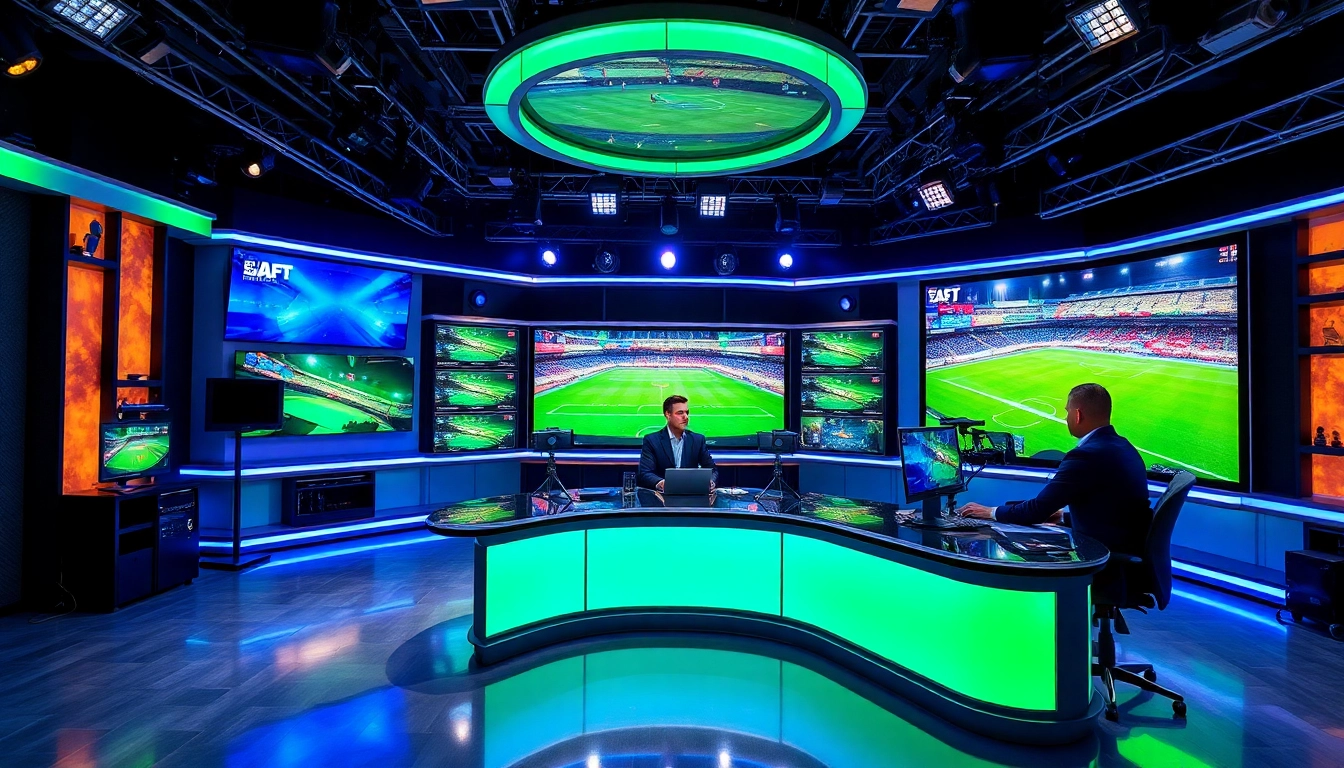
The Evolution of Sports Broadcasting
Historical Context of Sports Broadcasting
Sports broadcasting has a rich history that traces back to the early 20th century, when radio became a popular medium for transmitting live events. The first-ever sports broadcast is credited to a radio station airing a boxing match in 1921. As the decades progressed, television emerged as a dominant force, fundamentally altering how fans consumed sports. Shows like “Wide World of Sports,” which premiered in the 1960s, introduced viewers to a variety of sports from around the globe, shaping the viewer’s experience and bringing them closer to the action.
Key Technological Advances
Over the years, technological advancements have redefined sports broadcasting. The introduction of color television in the 1960s greatly enhanced the viewing experience, allowing audiences to vividly see team colors and the nuances of the game. In the late 20th and early 21st centuries, technologies such as satellite broadcasting, high-definition (HD) and subsequently 4K resolutions transformed how viewers experience live games. Furthermore, the advent of digital platforms and streaming services has shifted the landscape, making sports more accessible than ever, allowing fans to watch their favorite teams anytime, anywhere. These changes have also broadened the types of content that can be broadcasted, from live games to in-depth analysis and commentary.
The Impact of Streaming Services
In recent years, the emergence of streaming services has transformed the sports broadcasting landscape significantly. Services such as ESPN+, Amazon Prime Video, and others have begun to offer live sports, changing the way fans engage with their favorite content. This shift has also posed new challenges for traditional broadcasters. The ability to watch games on various devices, integrated with social media and other interactive features, creates a rich and multifaceted viewer experience that traditional broadcasting can struggle to match. Moreover, platforms that allow on-demand viewing cater to the needs of a younger and more diverse audience, which places traditional networks at risk if they fail to adapt. Sports Broadcasting is changing fundamentally, driving innovations in both technology and viewer engagement strategies.
Core Components of Effective Sports Broadcasting
Understanding Audience Preferences
Understanding audience preferences is critical to successful sports broadcasting. Broadcasters must analyze demographics, including age, geographic location, and viewing habits to tailor content effectively. Sports broadcasters can use surveys, analytics, and social media insights to grasp what types of coverage resonate most with viewers. Additionally, engaging younger audiences requires innovation like gamification of watching experiences, where fans can participate in real-time interactions during broadcast events. Ultimately, broadcasters who recognize and adapt to these preferences stand a greater chance of retaining viewership and fostering loyalty.
Importance of Engaging Commentary
Engaging commentary is a significant driving factor in sports broadcasting. Commentators serve as the voice of the viewers, providing live analysis, insights, and emotional responses that evoke excitement and passion. The best commentators not only describe the action but also weave compelling narratives that connect viewers emotionally to the events unfolding before them. They must possess both a deep understanding of the sports they cover and a talent for storytelling. To enhance engagement further, broadcasters can incorporate expert analysts or former athletes to provide unique perspectives, creating a richer viewing experience.
Visual Elements in Sports Broadcasting
Visual elements play a vital role in sports broadcasting. High-definition cameras, numerous angles, slow-motion replays, and graphics tools improve the viewing experience dramatically. Integrating augmented reality (AR) can further enhance the broadcast, offering viewers interactive visuals that keep them immersed in the action. Additionally, captivating graphic design, including live statistics and player bios, helps keep audiences informed and engaged during broadcasts. Ultimately, these visual strategies not only enhance the experience but also make key information more accessible to the audience.
Challenges in Sports Broadcasting
Adapting to Changing Audience Behaviors
One of the most pressing challenges for sports broadcasters is adapting to rapidly changing audience behaviors. As more viewers opt for mobile devices and online streaming over traditional television, broadcasters must develop strategies to capture this audience. This includes creating more flexible broadcasting options, such as mobile apps and online platforms, to provide viewers with alternative methods for consuming content. Additionally, broadcasters must be mindful of social media trends and how they impact viewer engagement, considering platforms where audience conversations are taking place and integrating these touchpoints into their strategies.
Balancing Commercial Interests with Viewer Experience
Handling commercial interests while enhancing the viewer experience is a delicate balance for sports broadcasters. Commercial breaks and advertisements are vital for funding but can disrupt the flow of a game and frustrate viewers. To navigate this, broadcasters can explore options like interactive advertising, product placements, or fewer, more impactful commercial breaks during critical moments of the game. Creativity in sponsorship deals that align with viewer interests is also crucial to maintaining the integrity of the viewing experience while ensuring profitability.
Addressing Legal Issues and Rights Management
Legal challenges are prevalent in sports broadcasting, particularly concerning rights management. Securing streaming rights from leagues can be a complex and costly process, with negotiations that often extend for years. Broadcasters must also be aware of and compliant with regulations regarding content distribution, copyright, and intellectual property. Developing efficient processes for rights negotiations and maintaining strong relationships with sports leagues can help broadcasters navigate these legal challenges effectively.
Best Practices for Sports Broadcasting
Leveraging Social Media for Engagement
Leveraging social media can enhance viewer engagement effectively. By promoting live events actively, sharing highlights, and interacting with viewers in real-time during broadcasts, broadcasters can create a connected community around their programming. Platforms like Twitter, Instagram, and TikTok offer opportunities to reach younger audiences, tap into trending topics, and create content that resonates. Engaging with viewers fosters loyalty and provides instant feedback that can inform future broadcasting strategies.
Utilizing Analytics for Improvement
Analytics play an essential role in refining and optimizing broadcasting strategies. Understanding metrics such as viewer counts, peak times, and drop-off rates can guide broadcasters in making informed decisions. Broadcasters can implement A/B testing for different styles of presentation or promotional techniques to discover what resonates best with audiences. This data-driven approach not only enhances content delivery but also elevates the overall viewer experience.
Building a Strong Brand Identity
Building a strong brand identity is crucial for sports broadcasters in a competitive market. A distinct brand persona that reflects the values and interests of target audiences can help broadcasters stand out. This includes consistent messaging across platforms, a recognizable visual style, and the creation of memorable content that resonates with fans. Establishing a robust online presence and actively engaging with the community can further fortify brand loyalty, encouraging viewers to return for more content.
Future Trends in Sports Broadcasting
Emerging Technologies and Their Effects
Emerging technologies are poised to reshape the landscape of sports broadcasting significantly. Technologies like virtual reality (VR) and augmented reality (AR) are paving the way for enhanced viewer experiences, introducing immersive elements that can place fans inside the action. Innovations in artificial intelligence (AI) may enable more personalized viewing experiences, tailoring content recommendations based on viewer history and preferences. As these technologies mature, they promise to create more engaging and interactive experiences for sports fans.
The Rise of Interactive Broadcasting
Interactive broadcasting is gaining traction among audiences, allowing viewers to engage with content on a deeper level. Features such as real-time polls, quizzes, and interactive stats can elevate the viewing experience, making fans feel like active participants rather than passive observers. As broadcasters implement these interactive features into their programs, they will cater to the preferences of a generation that craves engagement and interactivity in their sports experiences.
Forecasting Changes in Viewership
Forecasting changes in viewership is essential for sports broadcasters aiming to stay ahead in a dynamic environment. Current trends indicate a shift towards more fragmented viewing habits, with audiences increasingly gravitating toward personalized content delivered through favored platforms. Monitoring these changes allows broadcasters to adapt their strategies accordingly, such as creating niche shows focused on specific sports or themes. Embracing flexibility in programming may open new doors to attract and engage diverse audiences.
Frequently Asked Questions
What is sports broadcasting?
Sports broadcasting involves delivering live or recorded sporting events on platforms like TV, radio, or online streaming, engaging audiences with commentary and analysis.
How has technology impacted sports broadcasting?
Technology has transformed sports broadcasting through enhancements in video quality, real-time analytics, and broadcasting platforms, making content more accessible and engaging.
What challenges do broadcasters face today?
Broadcasters face challenges such as adapting to viewer preferences, managing rights and legal issues, and competing with streaming services for audience attention.
What best practices should sports broadcasters follow?
Best practices include engaging commentary, leveraging social media for interaction, focusing on viewer experience, and utilizing analytics to optimize broadcasts.
What are the future trends in sports broadcasting?
Future trends include increased use of mobile streaming, interactive broadcasts, and emerging technologies like AR and VR, reshaping viewer experiences.